Blog
How Do You Decide Whether Roof Timbers Need Replacing?
The decision is about strength, not appearance alone
A dark mark on a rafter does not automatically mean the timber needs replacing. Equally, a roof that looks sound from the room below may conceal damage where a leak has repeatedly wetted the wood. The useful question is whether the timber can still perform its structural role, and whether the cause of any deterioration has been dealt with.
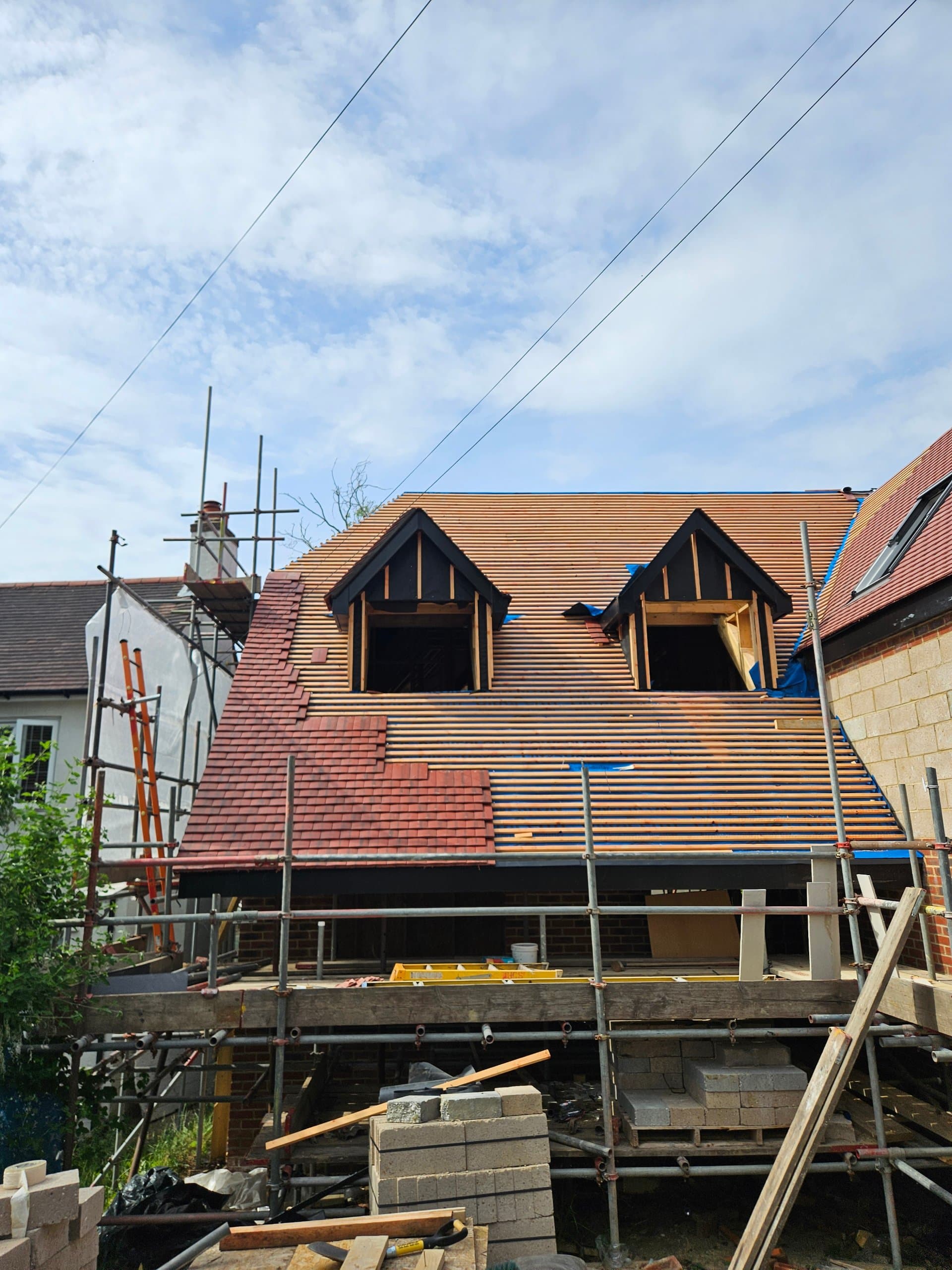
For homeowners in Ashtead and across Surrey, this distinction matters during a roof replacement. Removing the covering can expose parts of the roof structure that were not visible beforehand. The decision should be based on the condition and position of the timber, not simply on its colour or age.
Start by asking what caused the damage
Timber deterioration often points to another problem. Water entering through a damaged roof covering or flashing (the material that seals roof joins) can keep a small area damp. Poor ventilation or persistent condensation may affect a wider part of the roof. Insect activity can also damage timber, although signs on the surface do not, by themselves, establish how much strength remains.
Finding the likely source helps make the repair decision more accurate. If the source of moisture remains, replacing a damaged section without addressing that cause may leave new or neighbouring timber exposed to the same conditions. On the other hand, an old stain that has dried and has not weakened the wood may not justify replacement on its own.
That is why we consider the surrounding roof as well as the individual piece. The condition of nearby timber, the location of the mark and any evidence of continuing moisture all help build a clearer picture.
Look at the timber’s job in the roof
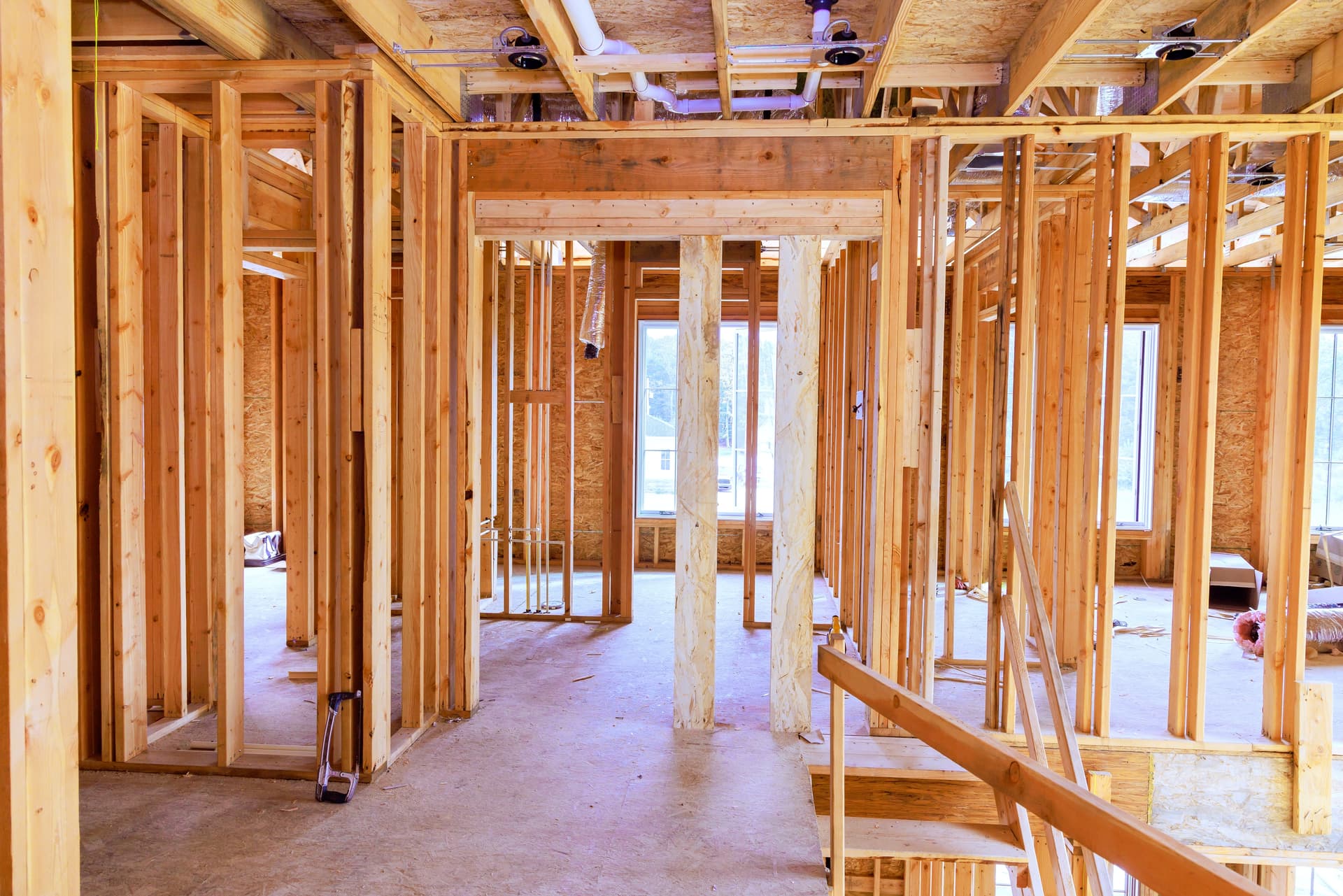
Not every piece of timber carries the same role. Rafters support the sloping roof, while other supporting timbers carry its weight through the structure. Damage where a timber joins another piece or rests on a support can matter more than a surface mark elsewhere.
The shape of the roof matters too. A timber that is bowed, split or displaced may indicate movement, but the visible defect needs to be understood in context. Is it isolated, or do nearby members show a similar change? Does the roofline appear uneven? Is the timber still securely connected where it meets other parts of the structure?
These observations do not produce a sound decision through appearance alone. They help identify where closer assessment is needed and whether the concern is limited to one area or may involve a broader structural issue.
Repair or replace: what separates the options?
A localised defect may be suitable for a limited repair if the surrounding timber remains sound and the affected section can be dealt with without compromising its job of supporting the roof. Replacement becomes more likely if decay has greatly weakened the timber, damage reaches an important joint, or movement suggests the timber can no longer support the roof as it should.
The extent matters as much as the worst-looking spot. If damage is confined to a small area, replacing the entire timber may not be necessary. If deterioration runs along the timber or affects several connected pieces, treating only the visible patch may leave the underlying problem in place.
A decision may also change once roof coverings are removed. The underside can reveal signs of moisture, but it may not show the full condition of surfaces or joints hidden from view. Where uncertainty remains, the sensible next step is further assessment by a suitably qualified professional, rather than assuming that either a stain proves failure or a clean-looking surface proves the structure is sound.
What you can check safely
From inside the property, look for new or recurring damp marks, visible mould, a change in the roofline, or timber that appears split or distorted. Note where the sign is and whether it changes. That information can help explain the concern during a survey.
Do not climb onto the roof or lean into a roof space to test a timber. Avoid scraping, cutting or probing structural wood yourself. A roof space can have unsafe access, hidden hazards and fragile surfaces, and a surface check cannot establish the whether a roof-supporting timber is strong enough.
Make the decision with the whole roof in view
A sound replacement decision considers three things: the timber’s condition, where it sits in the roof and why it deteriorated. It also separates what is visible before work from what can only be assessed once the covering is opened. That helps you understand why a recommendation is being made and what further work may depend on the findings.
For a fuller overview of the work, see our Roof Replacement page. If you are planning a roof replacement in Ashtead or nearby, contact us at 99 Building & Roofing to discuss the property and arrange the next step.
Other Articles